
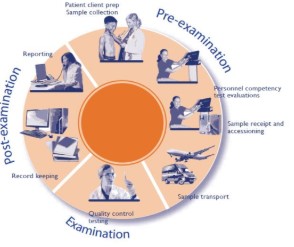
This course cover the implementation of all 12 quality system essential elements including organization, personnel, machine,inventory and purchasing, environment and safety, process control, documentation and record, information management, process improvement, occurrence management, assessment and customers services.
A well-managed laboratory quality system helps maintain the integrity of test results, ensures compliance with industry standards, and enhances the laboratory's efficiency and credibility.
This course will give you comprehensive skills and ability and knowledge to manage laboratory system effectively
- Teacher: Jackson Magoti
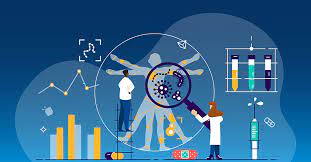
This course provides a comprehensive exploration of epidemiology and biostatistics, emphasizing their roles in managing human diseases and promoting community health. Participants will gain an understanding of fundamental epidemiological concepts, including disease causation, study designs, and approaches to prevention and control. The course covers essential measures of disease occurrence and association, alongside the application of testing and screening to manage health-related events effectively.
Learners will also develop biostatistical knowledge and skills crucial for health data collection, evaluation, and analysis. Emphasis is placed on applying biostatistics to compile and present research findings clearly, equipping participants with practical tools to support evidence-based public health initiatives and research efforts.
- Teacher: GEORGE NGOMANGO
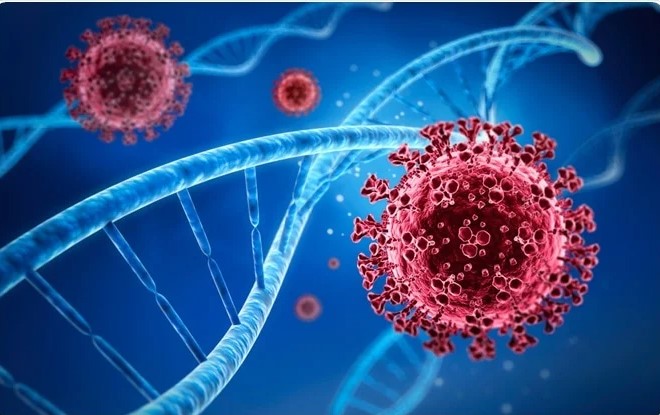
It is concerned with understanding the structure, function, and regulation of genes and the molecular mechanisms that control cellular processes.
A core of molecular biology is the understanding of how genetic information encoded in DNA is transcribed into RNA and then translated into proteins, which perform various tasks within cells. The central dogma of molecular biology encapsulates this flow of genetic information: DNA → RNA → Protein.
Molecular biology also involves techniques such as gene cloning, PCR (polymerase chain reaction), gel electrophoresis, and DNA sequencing, which allow scientists to manipulate and analyze DNA and proteins in the laboratory
- Teacher: Jackson Magoti